Sensory Control in Chicago
Sensory Control In Chicago
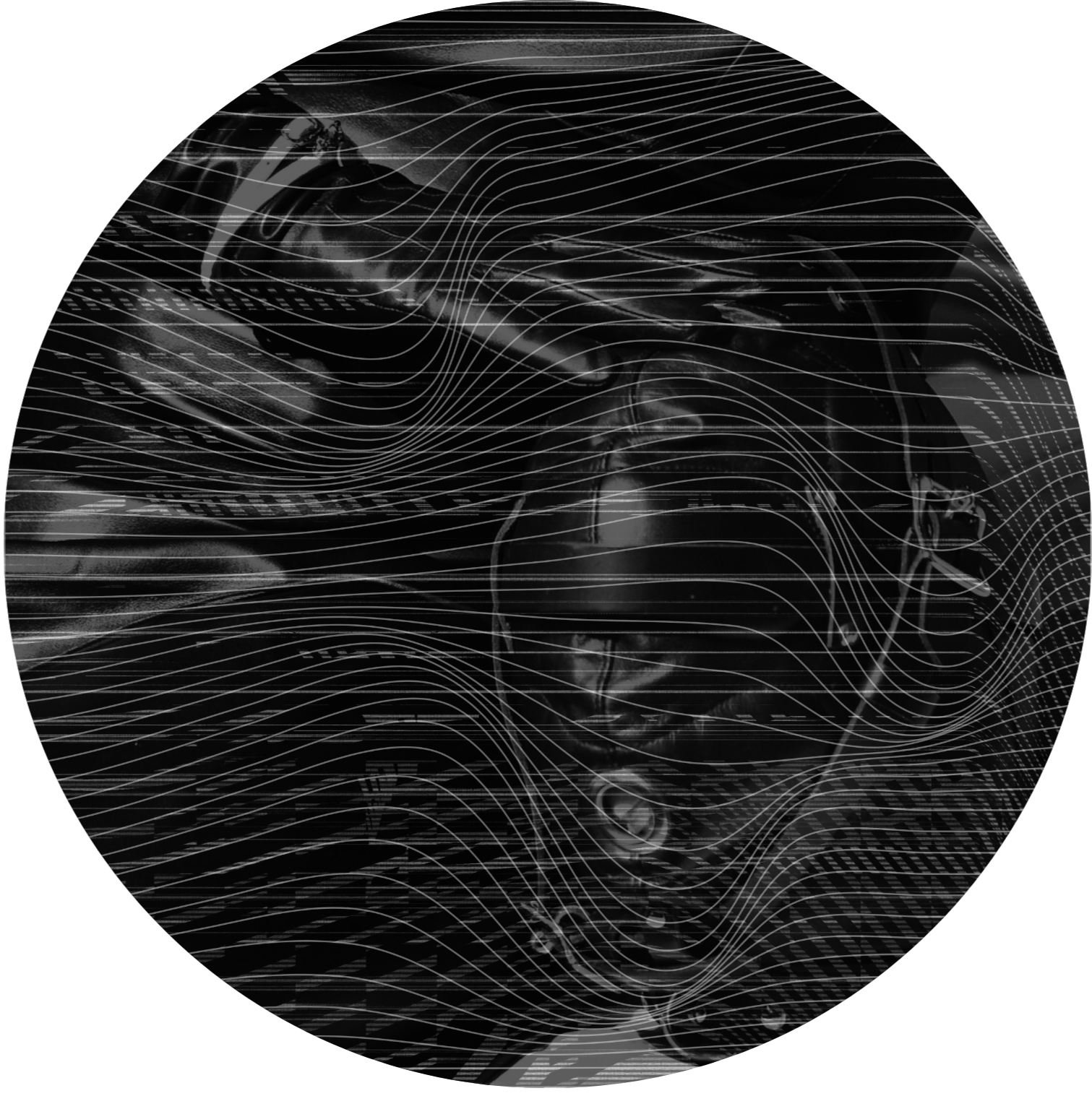

Focus, Quiet, and Being Steadied
Sensory control is about attention.
Not what’s happening to you — but where your awareness goes when distractions fall away. It’s the experience of having perception gently shaped, narrowed, or redirected under calm, steady guidance.
In my work, sensory control isn’t about overwhelming the body or chasing intensity. It’s about precision. Knowing when to soften input, when to heighten it, and how to keep someone grounded while their awareness shifts.
When held well, this kind of work feels calming rather than disorienting.
Focused rather than chaotic.
Supportive rather than demanding.
That’s how I approach it.


What Sensory Control Feels Like Here
Many people live in a near-constant state of mental noise — decisions, stimulation, pressure, and competing inputs pulling attention in too many directions at once.
Sensory control offers something different.
By intentionally shaping what you’re responding to, attention has somewhere to land. Thoughts slow. The body follows. Focus deepens without effort.
This isn’t about shutting you down or taking anything away for effect. It’s about guiding awareness so you don’t have to manage it yourself.
For a lot of people, that feels like a giant exhale.
Why Structure Matters So Much Here
Sensory-focused experiences affect perception directly. When they’re rushed or poorly held, they can feel disorienting instead of settling.
With structure, something else happens.
Clear pacing and preparation allow attention to narrow safely. Leadership provides orientation. There’s space to settle before and after, rather than snapping in and out of heightened states.
That’s why sensory control is offered only within sessions that allow adequate time, preparation, and integration. This supports:
emotional safety
clarity around boundaries
trust that builds naturally
the ability to return to baseline feeling steady rather than scattered
Nothing here is rushed.
Intensity is allowed to grow and shape in its own time.
A Grounded, Attentive Approach
Sensory control can involve focusing, limiting, or modulating sensory input in ways that heighten awareness and responsiveness. Without structure, that kind of experience can feel unsteady or confusing.
My approach stays grounded by prioritizing:
nervous-system regulation over stimulation
gradual shifts rather than abrupt changes
clear communication and consent throughout
attention to breath, response, and emotional state
The goal isn’t overload.
It’s attunement — creating an environment where focus sharpens and control feels like solid ground.
Who This Experience Often Resonates With
Sensory control tends to appeal to people who:
feel mentally overextended or overstimulated in daily life
want relief from constant decision-making
are drawn to focus, stillness, or heightened awareness
appreciate leadership that feels calm and composed
You don’t need prior experience to begin.
You don’t need to know what level of intensity you want.
You only need openness to pacing and guidance.

Common Questions About Sensory Control
-
It can include elements of both, but the focus is never on extremes for their own sake. The emphasis is on intentional modulation of attention, guided carefully and with consent.
-
Intensity varies. My approach prioritizes regulation and pacing, not overwhelm. Sensory control here is shaped deliberately rather than pushed. I will determine the appropriate levels of intensity once your inquiry is reviewed and boundaries are discussed.
-
Methods vary depending on the session and what supports the dynamic. Tools are never the focus. What tools and methods I use are in service to guiding attention, pacing, and boundaries determined once your inquiry is accepted.
-
No. Openness to communication, guidance, and structure matters far more than familiarity with specific techniques.
-
Duration is determined after screening. Adequate time allows trust to build and focus to deepen without pressure. It also supports proper integration afterward.
-
Yes. Sessions take place in Chicago and are private, pre-screened, and handled with discretion. This particular type of experience is best suited for incall so I have access to proper equipment.

Not About Extremes
This work isn’t about pushing perception to its limits or chasing extremes. It’s about modulation — knowing when less creates more, and when attention needs gentle direction rather than force.
Some sessions are subtle. Others are more immersive. What matters isn’t the method — it’s how the experience is held and how you respond to being guided through it.
How to Begin
Sensory control isn’t booked as a standalone act.
It’s integrated into containers that allow focus, regulation, and trust to develop naturally.
Most people begin with:
Initiation — to establish communication, pacing, and comfort
Depth — for those ready for sustained focus and guided intensity
Once I understand what you’re seeking and how you respond to being guided, I’ll recommend the structure that will hold the experience properly.
You don’t need to decide that on your own.
All you need to do is inquire.